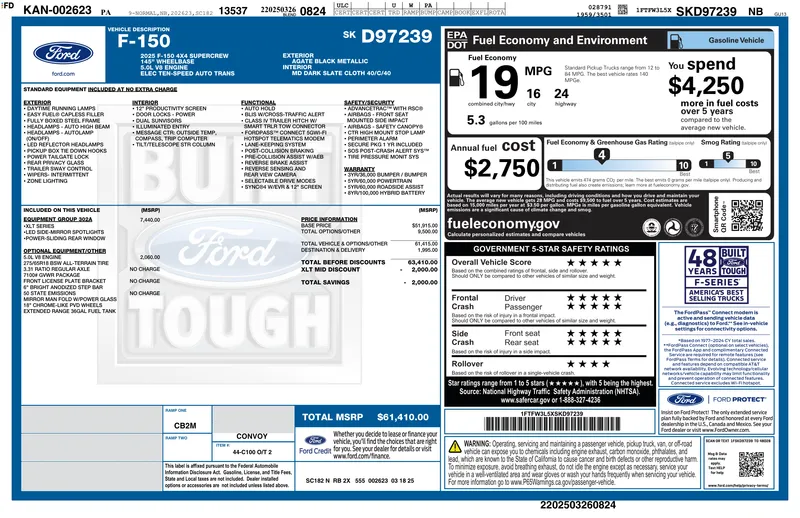
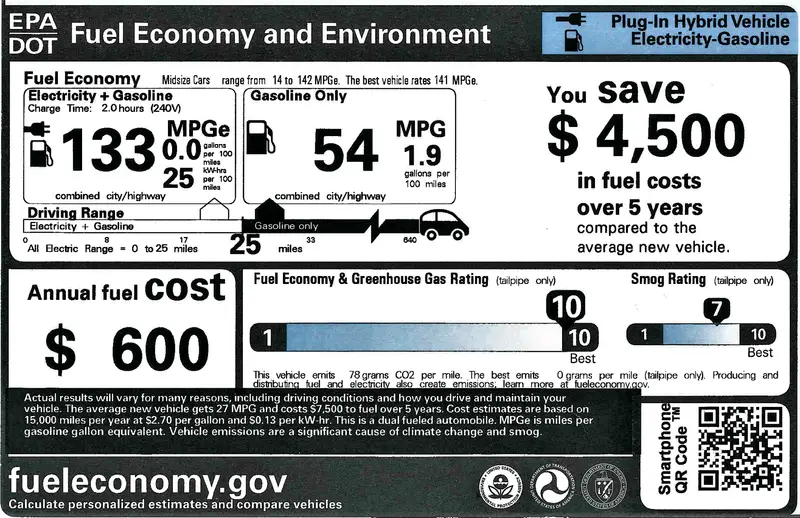
Coverage: Original stickers: Ford and Lincoln from Ford, most 2017-on Jeep, Ram, Dodge and Chrysler from Stellantis. Other brands when on file
How the scam works
You list a car on Facebook Marketplace, Craigslist or Kijiji. A “buyer” messages you, seems keen and maybe agrees a time to see it or talks about paying cash. Then comes the condition: before going any further, they want a vehicle history report or the original window sticker, and it has to come from one particular website. They send the link.
The FTC described this pattern back in 2018: people claiming to be interested buyers ask the seller to get a report from a specific website. In the FTC’s words, the seller “then sends it to the supposed buyer but never hears back,” and the request “might be a ruse to get your personal information, including your credit card account number.” Its advice is short: “if someone asks you to get a car history report from a specific site, ask why and think twice.” Kijiji’s community help pages warn sellers about the same thing.
In recent versions the ask has shifted from a “history report” to the window sticker, sometimes called the Monroney sticker or Monroney label. The pitch is that they need it “to verify the trim”. Sellers have posted these conversations on Reddit asking whether they were being scammed. One seller on r/Scams in April 2026 had a 2001 car listed, sent a Carfax and another report, and the buyer then said he “wants the original Monroney sticker to verify trim.” A seller of a 2000 Safari asked the same question on r/MechanicAdvice in 2022.
The red flags
- They pick the website. A real buyer can look up a VIN themselves. Being told to pay on one specific site, especially one you’ve never heard of, is the main warning sign.
- They want it before they’ve seen the car. Real buyers ask for reports, but they don’t usually make you pay for one before they’ll even come and look.
- The car is old. Carmaker sticker systems mostly cover recent model years. In our test of 84 VINs, Stellantis returned nothing for any 2016-or-older vehicle. An “original sticker” for a 2001 car, from an unknown site, should make you suspicious.
- They push urgency or a story. “My bank needs it for the loan”, “I’ll pay you back when I pick it up”, “I’m overseas, my agent will collect.”
- The site asks for a lot. Full card details plus personal information for a cheap report from a site with no clear company behind it.
What to do instead
- Send the VIN. It’s on the car, and often in your listing photos already. Tell the buyer they’re welcome to run any report they like. Serious buyers will.
- Share what you already have. If you own the original sticker, the purchase paperwork, or a report you bought earlier from a provider you chose, you can share it.
- Don’t pay on a link a stranger sends. If you’ve already entered card details on a site you don’t trust, call your card issuer.
- Report it. Report the account on the marketplace, and report the scam to the FTC at ReportFraud.ftc.gov.
If you’re the buyer and want the sticker
Run it yourself, from a source you picked. A few honest options:
- The carmaker, where it offers a free route. Ford and Stellantis (Jeep, Ram, Dodge, Chrysler) release some recent stickers by VIN through their own systems: most 2017-and-later Stellantis VINs in our test, and fewer Fords. Our brand guide explains which ones and how.
- A history report you choose. Some include an original sticker link for newer cars. See does Carfax show the window sticker.
- Our free check. We run StickerByVIN. Paste the VIN above and we’ll tell you free whether the original sticker is on file before you pay anything. If it isn’t, we say so instead of selling you a lookalike. We’ll never ask a seller to buy a report from us.
Whichever source you use, the rule is the same: the person who wants the report picks the provider and pays for it.
Sources
- FTC Consumer Alert, “Steering clear of vehicle history report scams”, October 19, 2018.
- Kijiji Community, “Car history / vehicle report scams”.
- StickerByVIN, Which carmakers release window stickers by VIN? (84 VINs tested).
Last updated November 16, 2026.